
Hiatal Hernia Surgery in Bangalore Expert Care and Advanced Treatment Options
Hiatal Hernia Surgery in Bangalore Expert Care and Advanced Treatment Options
9/18/2025
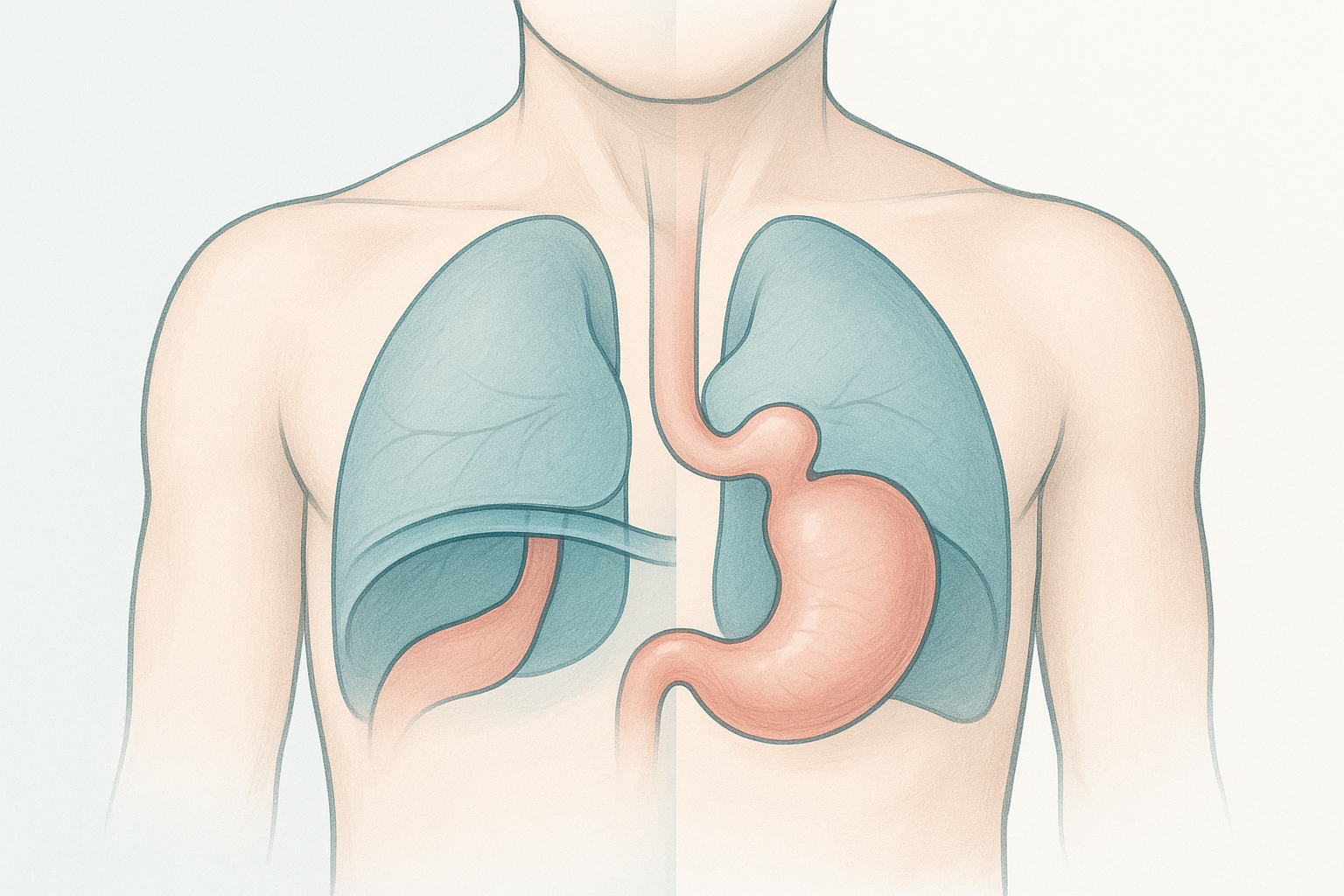
A hiatal hernia occurs when part of the stomach pushes up through the diaphragm into the chest cavity. While some cases are mild, larger hernias can cause severe symptoms that affect quality of life. Early diagnosis and treatment are key to preventing complications. If you are seeking reliable hiatal hernia surgery in Bangalore, the city offers advanced medical care and highly skilled specialists.
What is Hiatal Hernia?
A hiatal hernia is classified into two main types:
Sliding hernia - when the stomach and esophagus slide up into the chest.
Paraesophageal hernia - when part of the stomach pushes through the diaphragm and sits beside the esophagus.
Common symptoms include persistent heartburn, chest pain, acid reflux, and difficulty swallowing. In severe cases, it may even cause shortness of breath.
When is Surgery Needed?
Not all hiatal hernias require surgery. Small hernias can often be managed with medications and lifestyle changes. However, surgery is usually recommended when:
Symptoms such as reflux, chest pain, or swallowing difficulties are severe and persistent.
There is risk of strangulation (when the stomach gets trapped and blood supply is cut off).
Non-surgical treatments fail to provide relief.
Ignoring these symptoms can lead to chronic gastroesophageal reflux disease (GERD), ulcers, or bleeding.
Hiatal Hernia Surgery Options in Bangalore
Bangalore is home to some of the most advanced surgical facilities in India, offering both traditional and modern approaches:
Laparoscopic repair - a minimally invasive surgery with small incisions, faster recovery, and less discomfort.
Open surgery - used for complex or recurrent cases where larger incisions are necessary.
The benefits of surgery include long-term relief from acid reflux, improved lifestyle, and reduced risk of complications.
Why Choose Bangalore for Surgery?
Choosing hiatal hernia surgery in Bangalore ensures:
Expert surgeons with vast experience in gastrointestinal and laparoscopic procedures.
World-class hospitals equipped with cutting-edge diagnostic and surgical technology.
Affordable packages that balance quality and cost, making advanced care accessible to more patients.
What to Expect During Surgery
Before the procedure, patients undergo detailed evaluations including endoscopy, imaging, and lab tests. The surgery itself involves repositioning the stomach and tightening the diaphragm opening.
Post-surgery, patients are usually discharged within a few days. Full recovery takes a few weeks, with dietary modifications and light activities recommended during the healing phase.
Lifestyle Tips After Surgery
To maintain long-term health and prevent recurrence:
Follow a balanced diet - soft foods initially, followed by small, frequent meals.
Exercise regularly - light walking and gradual activity to strengthen the body.
Routine follow-ups - regular checkups with your surgeon to monitor progress.